Vesuvius National Park

The Vesuvius National Park is one of the most fascinating and evocative natural areas in Italy. Located in Campania, it encompasses the famous Mount Vesuvius, one of the world’s most studied and well-known volcanoes. This park is a must-visit for nature lovers, geology enthusiasts, and history buffs, offering incredible views, lush trails, and a deep connection to local culture.
Let’s explore what makes the Vesuvius Park a unique destination and why you should visit.
1. Mount Vesuvius: A Volcano Between Myth and Science
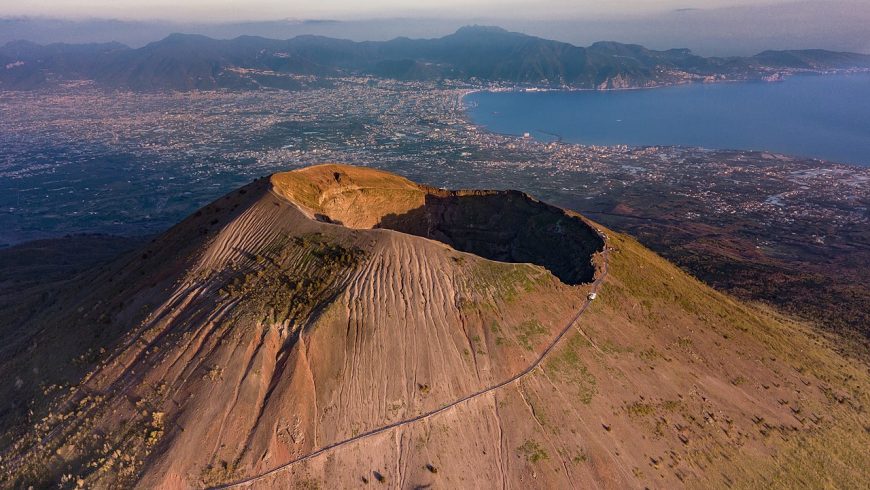
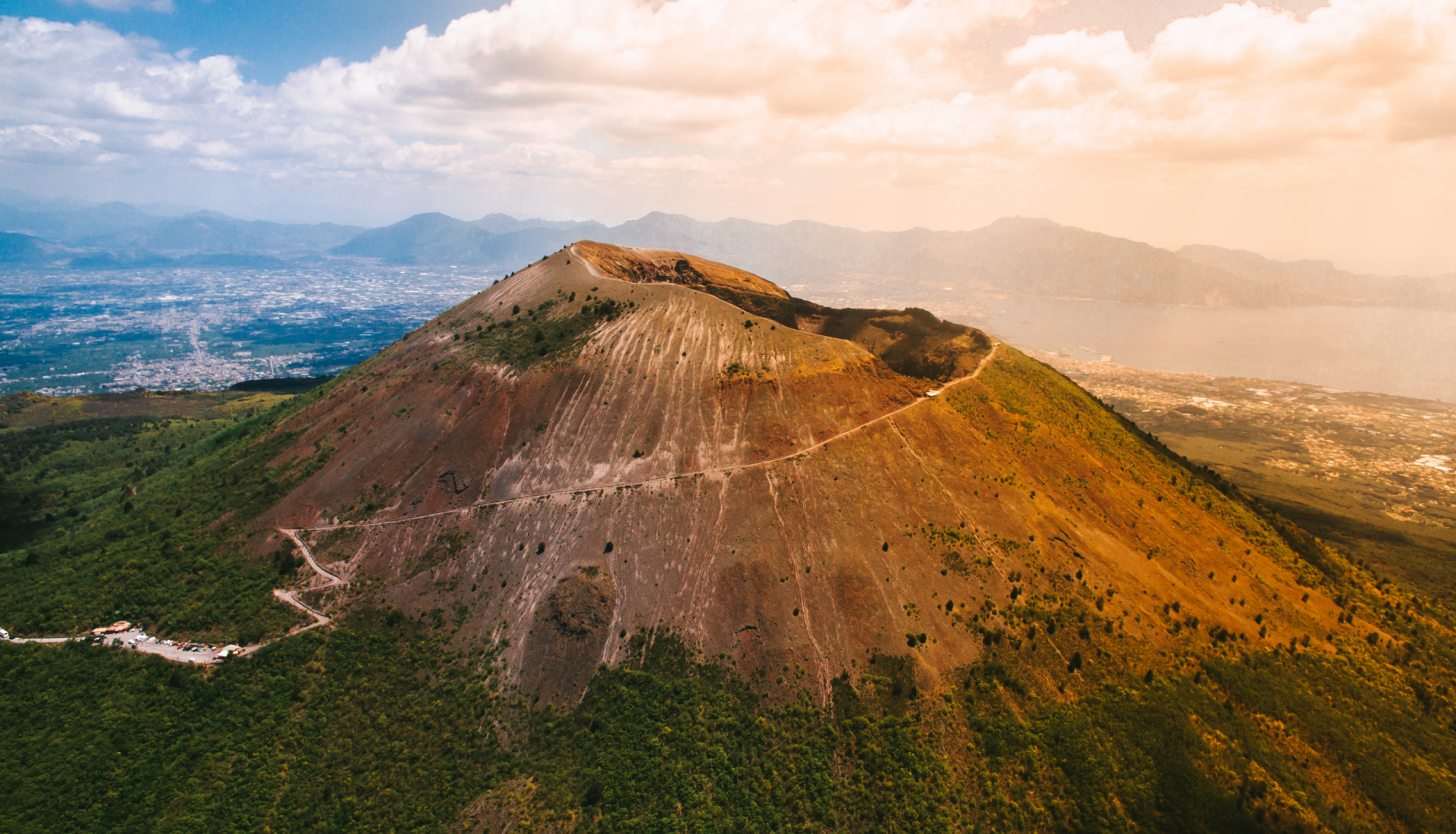
Mount Vesuvius, standing at about 1,281 meters, is one of Europe’s few active volcanoes and the most famous in Italy. It is well-known for its eruption in 79 AD, which buried the Roman cities of Pompeii, Herculaneum, Stabiae, and Oplontis, preserving them under a blanket of ash and pumice for centuries.
Today, Mount Vesuvius is a symbol of Campania and a major tourist attraction. Climbing to its crater is a unique experience, offering the chance to walk on an active volcano and enjoy a spectacular view of the Gulf of Naples.
2. The Crater Trail: An Unforgettable Experience
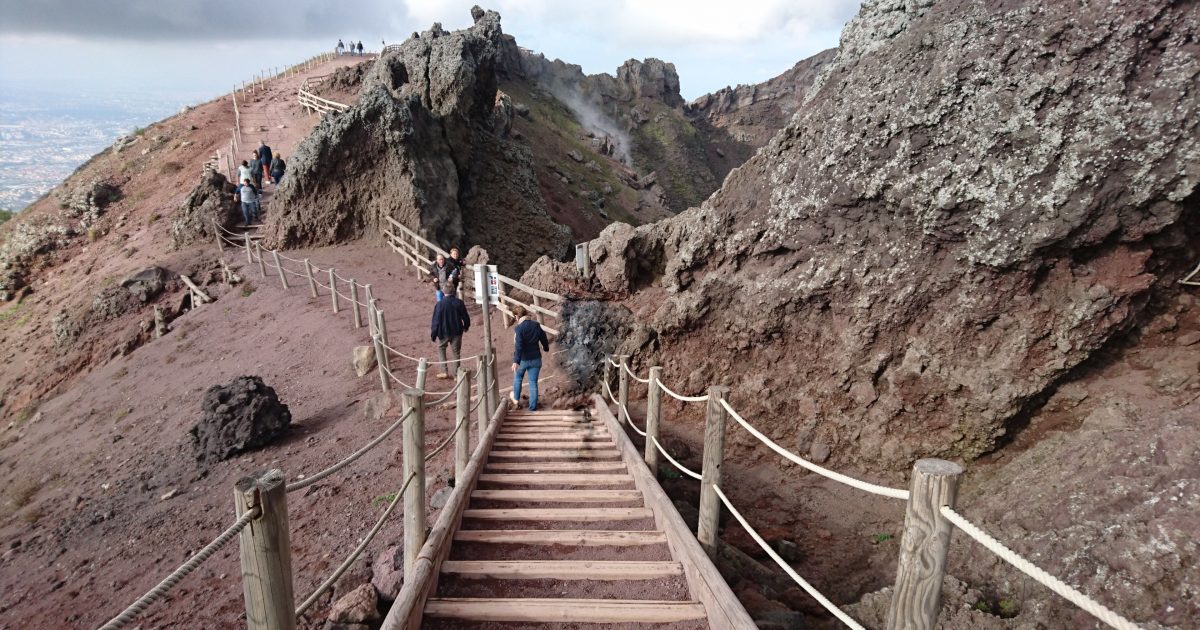
One of the most thrilling trails in the Vesuvius National Park is Trail No. 5, also known as the Gran Cono Trail. This path leads to the summit of the volcano, allowing you to admire its crater and take in breathtaking views stretching from the Gulf of Naples to the Sorrento Peninsula, and the islands of Capri, Ischia, and Procida.
- Distance: About 4 km (round trip)
- Duration: Around 1 hour 30 minutes
- Difficulty: Moderate (comfortable shoes recommended)
At the summit, you can observe the smoking crater while expert guides share the geological history of Mount Vesuvius and its most significant eruptions.
3. Other Trails in the Vesuvius National Park
In addition to the crater trail, the Vesuvius National Park offers a network of hiking trails suitable for various levels of experience. Some of the most scenic trails include:
- Trail No. 1 – Along the Ottaviano Ridges: A panoramic route passing through ancient lava flows and lush forests.
- Trail No. 6 – Monte Somma: Ideal for those wanting to explore Mount Vesuvius' "sibling," Monte Somma, with its spectacular ravines.
- Trail No. 8 – The Valley of Hell: A nature-filled itinerary with stunning views of the volcano and the Giant’s Valley.
These trails offer an opportunity to explore the park’s unique volcanic landscape, consisting of lava rocks, pine and oak forests, and rich biodiversity.
4. Flora and Fauna of the Park
Despite its volcanic soil, the Vesuvius Park hosts an unexpected variety of plants and animals. Some of the most notable species include:
- Vesuvian broom: A symbol of nature’s resilience after eruptions.
- Pine trees and holm oaks, which populate the park’s forests.
- Foxes, martens, and kestrels, commonly spotted along the trails.
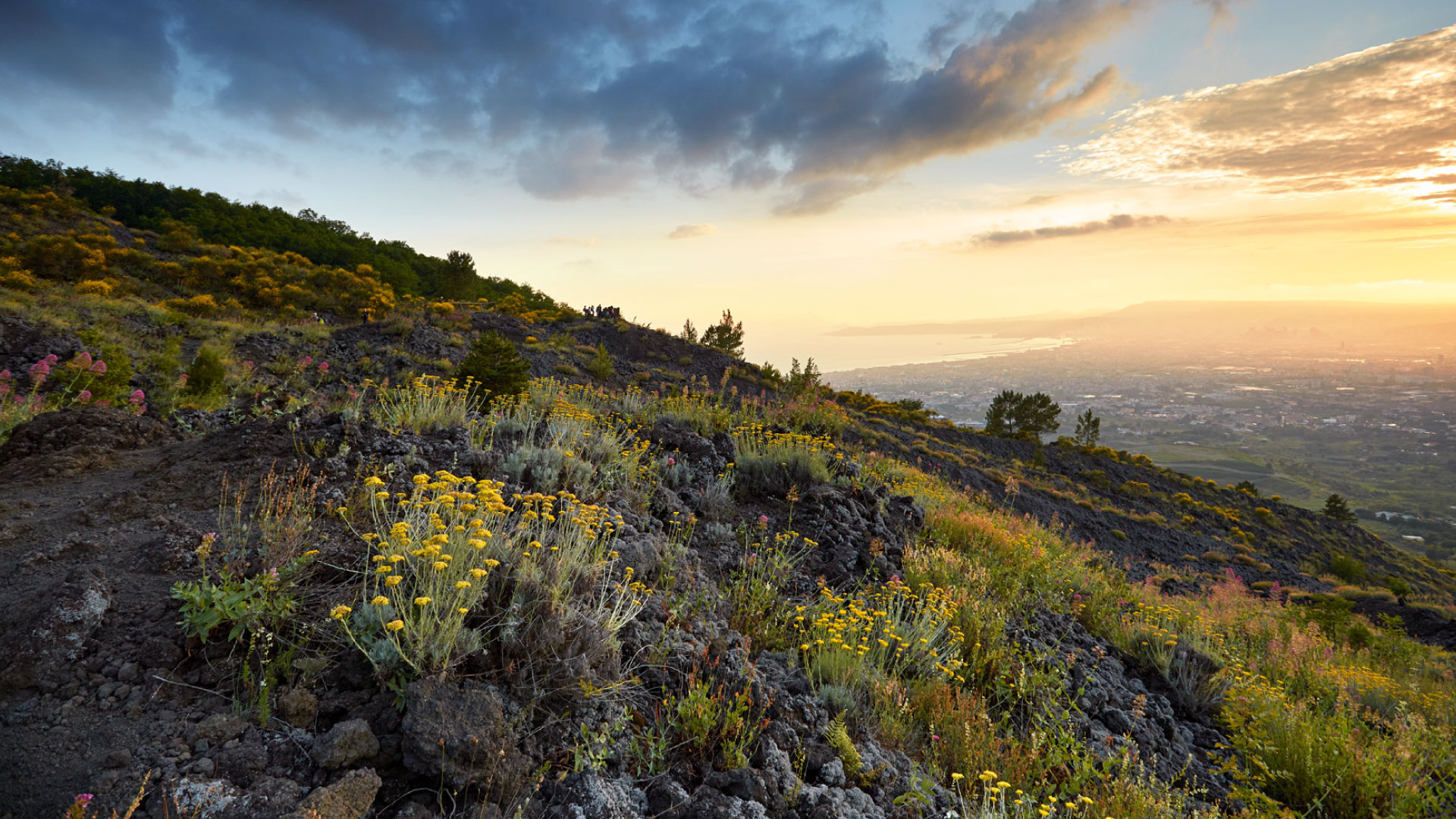
In spring, the Vesuvius is colored by wild orchids and spontaneous flowers, creating a spectacular contrast with the black solidified lava.
5. The Vineyards of Vesuvius and Lacryma Christi Wine
The volcanic soil of Mount Vesuvius is exceptionally fertile and has given rise to a centuries-old agricultural tradition. Among the area’s most famous products is Lacryma Christi wine, made from vineyards planted on the slopes of the volcano.
The Vesuvius wineries offer local wine tastings and guided tours through the vineyards, where you can also sample typical products like:
- Piennolo tomatoes DOP, a Campanian gastronomic excellence.
- Vesuvius extra virgin olive oil, known for its intense and aromatic flavor.
- Local cheeses and cured meats, often paired with volcanic wines.
A gastronomic stop is the perfect way to end a hike in Vesuvius.
6. Archaeological Sites Around the Park
The Vesuvius Park is surrounded by some of the world’s most important archaeological sites. Among them are:
- Pompeii: The ancient Roman city buried by the 79 AD eruption, now a UNESCO World Heritage site.
- Herculaneum: Better preserved than Pompeii, offering intact frescoes, mosaics, and villas.
- Oplontis: Famous for the Villa of Poppaea, an imperial residence with extraordinary frescoes.
These sites offer a time-travel experience, showing how Mount Vesuvius has shaped human history.
7. Why Visit the Vesuvius National Park?
- Admire an active volcano up close and enjoy spectacular panoramas.
- Explore a network of hiking trails immersed in volcanic nature.
- Discover surprising biodiversity, with forests, wildflowers, and local fauna.
- Taste wines and typical products grown on unique volcanic soil.
- Visit Pompeii, Herculaneum, and other archaeological sites for a journey through history.
The Vesuvius National Park is an unmissable destination for anyone visiting Campania. Whether you’re a hiking enthusiast, a history lover, or simply looking for breathtaking views, Mount Vesuvius offers a unique and captivating experience.
Climbing the volcano, discovering its trails, and tasting local flavors will make your visit unforgettable. If you want an adventure combining nature, geology, and tradition, the Vesuvius Park is waiting for you!